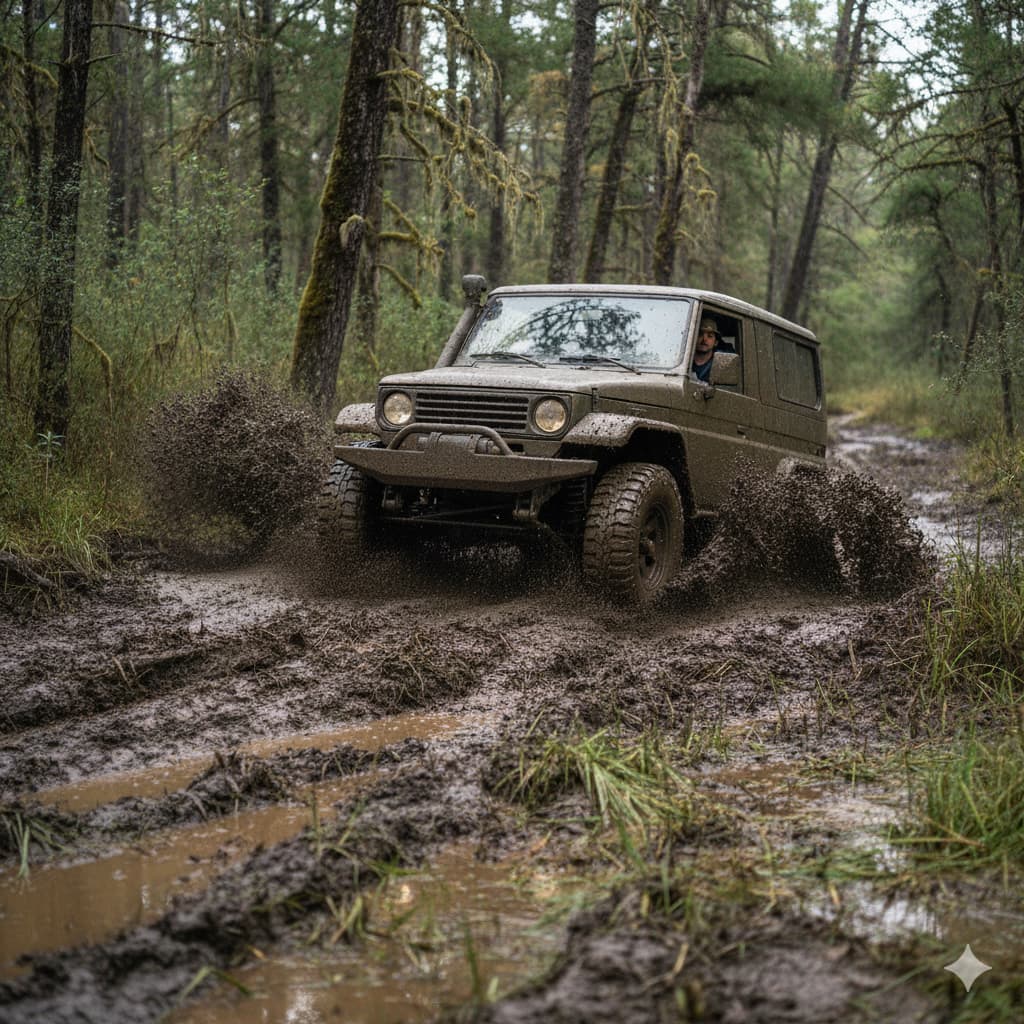
The allure of off-roading is undeniable. It’s a thrilling blend of human ingenuity, mechanical power, and the raw, untamed beauty of nature. But venturing where the pavement ends is a high-stakes game. Every rock, every stream crossing, and every steep incline is a variable that can turn a dream trip into a nightmare. Many approach it with the reckless optimism of a gambler on a lucky streak, simply hoping for the best. That, however, is the fastest way to lose.
A successful off-road adventure isn’t about luck; it’s about calculated risk. It’s about shifting the odds so heavily in your favor that success becomes an expectation, not a surprise. You wouldn’t walk into a high-stakes poker game without knowing the rules, and you shouldn’t hit the trail without making a few smart bets on your vehicle and your preparation. This isn’t about eliminating risk—that’s impossible—but about managing it with the foresight and expertise of a seasoned pro. From pre-trip inspections to essential recovery gear, these are the bets that pay off every single time, ensuring you come home with epic stories, not expensive repair bills.
Stacking the Deck: Your Pre-Trip Inspection
Before your tires ever touch the dirt, the most important bets are placed in your own driveway. This is where you stack the deck in your favor with a thorough vehicle inspection. Ignoring this step is like going all-in without looking at your cards—a foolish gamble with potentially disastrous consequences. A trail breakdown is far more than an inconvenience; it can be a genuine emergency. Your pre-trip ritual should be non-negotiable.
Focus on the systems that will take the most abuse. Start with your tires. Check the pressure and inspect the sidewalls and treads for any cuts, punctures, or signs of excessive wear. Remember to check your spare as well; an unusable spare is dead weight. Next, move under the hood. Examine your fluid levels—oil, coolant, transmission fluid, and brake fluid. A slow leak that’s barely noticeable on the road can become a major failure under the stress of off-roading. Look for any cracked hoses or frayed belts. Finally, inspect your suspension and undercarriage. Check for loose bolts, damaged components, or anything hanging low that could get snagged on an obstacle. A comprehensive check should include:
- Tires and Wheels: Ensure proper inflation, check for damage, and confirm lug nuts are torqued to spec. Your tires are your only connection to the terrain.
- Fluids: Top off all essential fluids and look for any evidence of leaks on the components or on the ground beneath the vehicle.
- Suspension and Steering: Visually inspect shocks, springs, and control arms for damage. Grab components and check for excessive play.
- Brakes: Check your brake fluid level and look for any leaks in the lines. Your brakes are critical for controlling descents.
- Battery: Make sure terminals are clean and tight. A loose connection can fail at the worst possible moment.
Calculating the Odds: Essential Gear and Recovery Bets
Once your vehicle is mechanically sound, the next bet is on your equipment. This is your insurance policy. The wilderness is unpredictable, and having the right gear can mean the difference between a minor delay and a genuine crisis. Your goal is to be self-sufficient. You cannot assume someone else will come along to help you out of a jam. Relying on luck is a poor strategy. Some people hope for a fortunate break, the equivalent of finding a windfall like no deposit casino bonuses in Argentina where you get something for nothing. But on the trail, there are no freebies. Nature doesn’t give out bonuses; it rewards preparation. Your “payout” is a safe return, earned through smart planning.
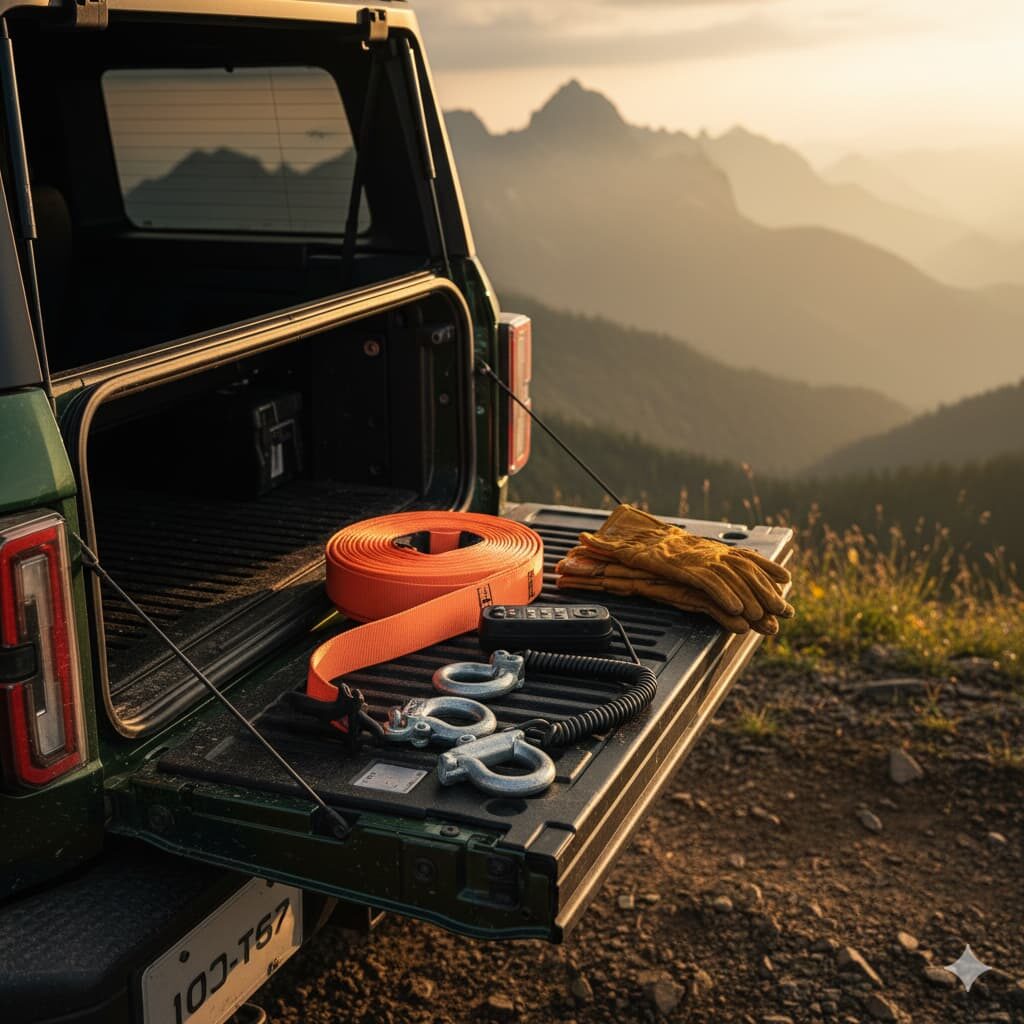
The cornerstone of your gear is a solid recovery kit. At a minimum, this should include a quality recovery strap (not a tow strap!), a set of shackles, and a pair of sturdy work gloves. If you have a winch, ensure you have a tree-saver strap and a snatch block to maximize its effectiveness. A high-lift jack can be an indispensable tool for lifting your vehicle in uneven terrain or even for manual winching in a pinch. Beyond recovery, think about survival. Pack extra water, food, and a first-aid kit. Communication is another critical bet. A cell phone is unreliable in the backcountry, so consider investing in a GMRS or HAM radio, or at least a satellite-based emergency communicator. This gear isn’t just for you; it’s for anyone else you may encounter who wasn’t as prepared. Being able to help a fellow adventurer is part of the off-road community ethos and the ultimate sign of a well-played hand.